Brean and Berrow
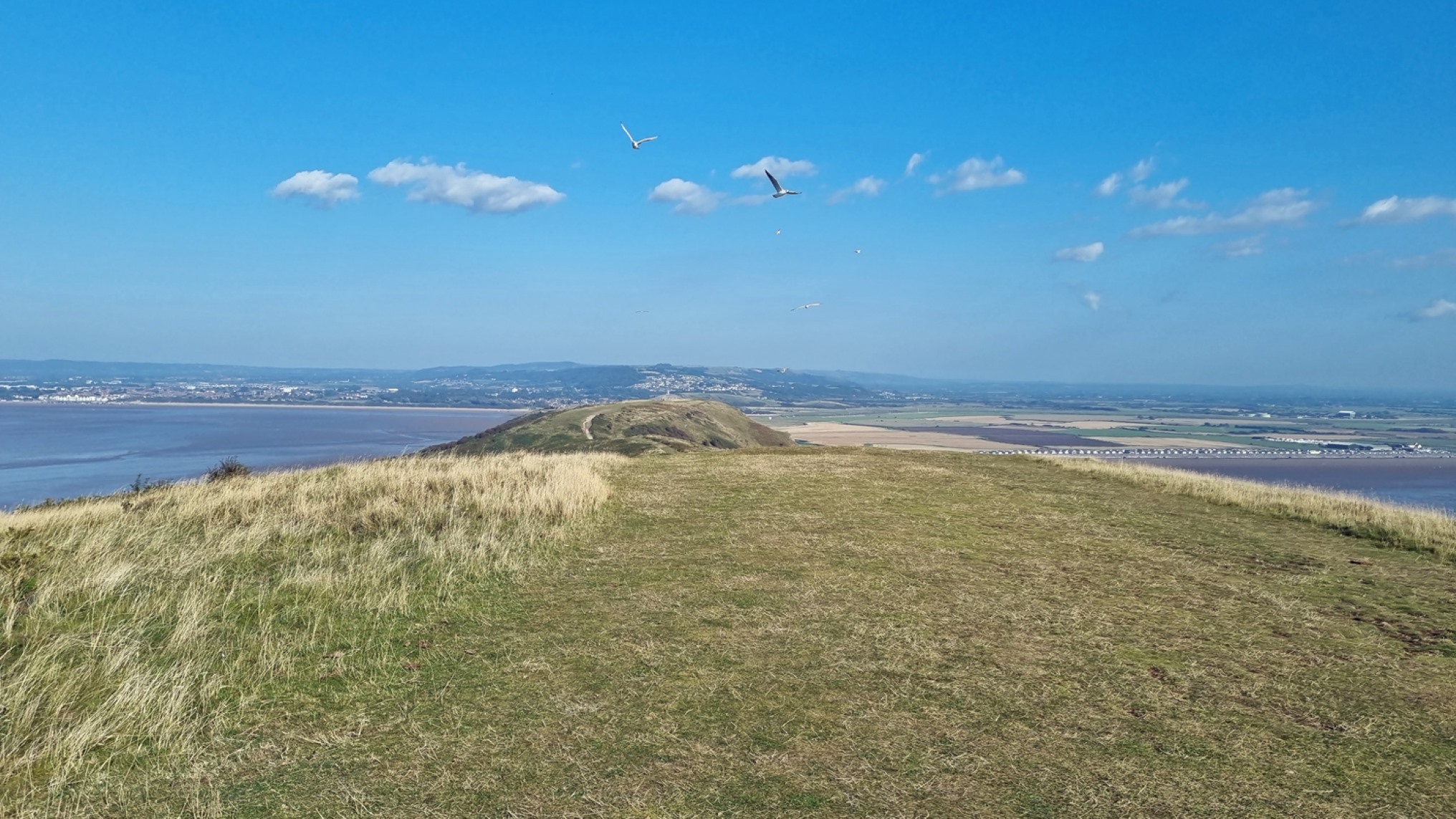
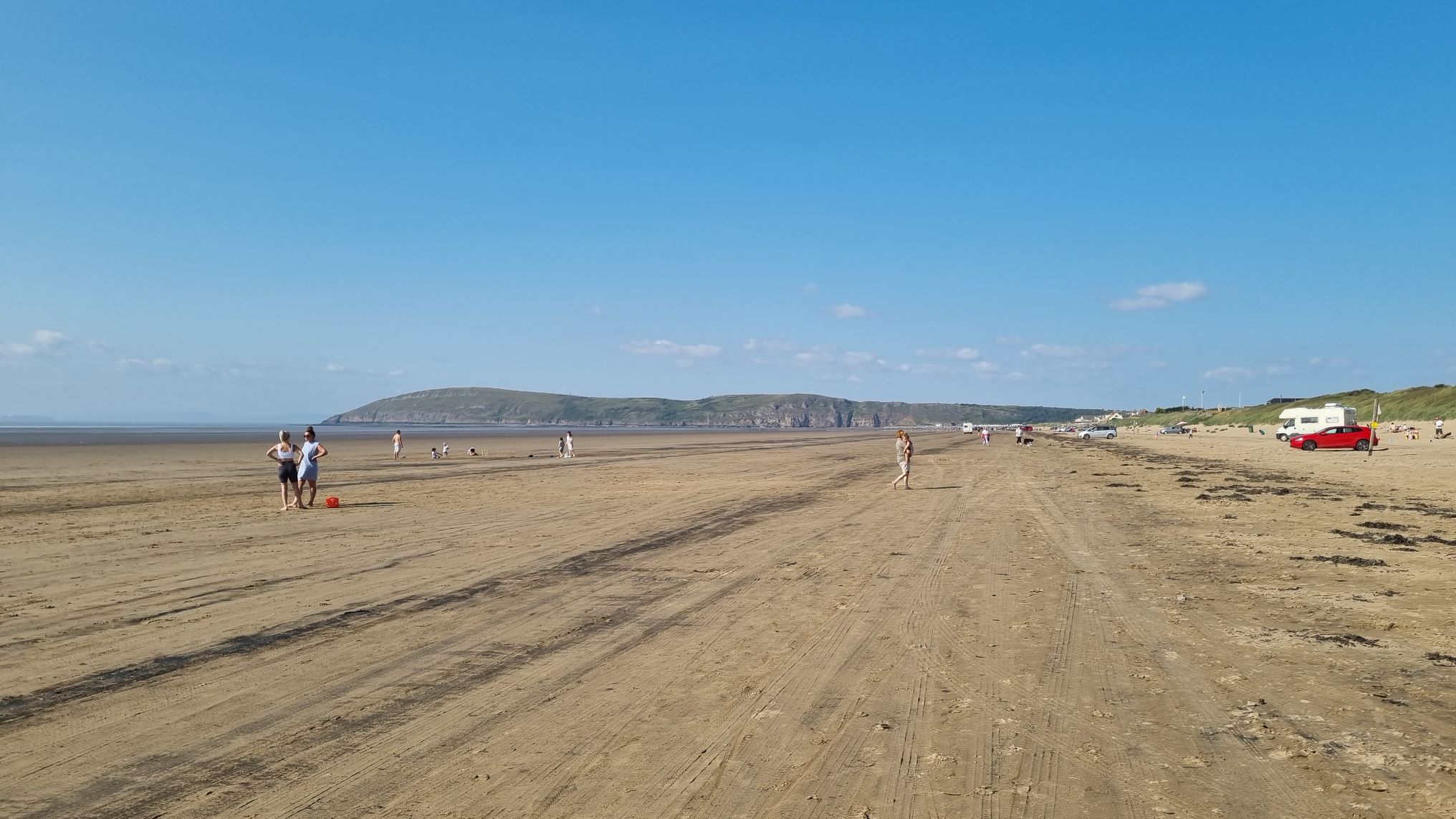
Brean and Berrow sit at the northern end of the Somerset coast which ends with the dramatic backdrop of Brean Down – a historic monument managed by the National Trust and full of history, wildlife and rare plants. Beneath it is Brean beach, the northern end of a seven mile long stretch of sand that begins in Burnham-on-Sea to the south with plenty of open space to explore in between. It is the perfect setting for walks, with circular routes on Brean Down as well as beach routes further south.

The Coast Path enters Somerset at the Great Bird Screen of Brean after crossing the River Axe. Between 16th May and 15th July it is possible to walk the Brean Seasonal Riverside Walk, which takes you along the banks of the River Axe to Brean Down. This limited opening period supports internationally important numbers of Redshank, Whimbrel, Shelduck, Dunlin and Teal that visit while in passage, or to over winter in this area. To ensure visiting and resident water birds are protected from disturbance, the King Charles III England Coast Path is closed when they are here, creating a Refuge Area where they can feed and rest safely.
The rest of the year there is an alternative inland route to cross to the west coast. To see the route and find out more visit King Charles III England Coast Path – Brean Seasonal Riverside Walk.
Both routes take you to Brean Down, a natural pier and extension of the Mendip Hills. At 97m high, the views from the top are truly spectacular, looking across the Channel to south Wales and the islands of Steep Holm and Flat Holm, inland across the Somerset Levels or south along the coast of Somerset to Exmoor. Brean Down is classed as an Historic Monument and as well as the Palmerston Fort at the end of the peninsular, there is evidence of an iron age hill fort and Second World War defences.
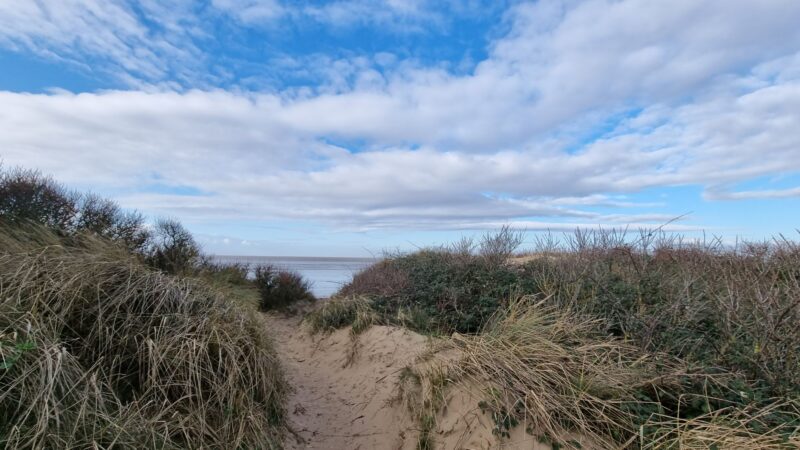
Heading south you join a seven mile sweep of sandy beach that takes you past Brean and Berrow to Burnham-on-Sea. At Berrow the dunes that back the beach are recognised as a Site of Special Scientific Interest (SSSI) and a Local Nature Reserve to protect their varied habitats. These support a high level of diversity including over 270 plant species.
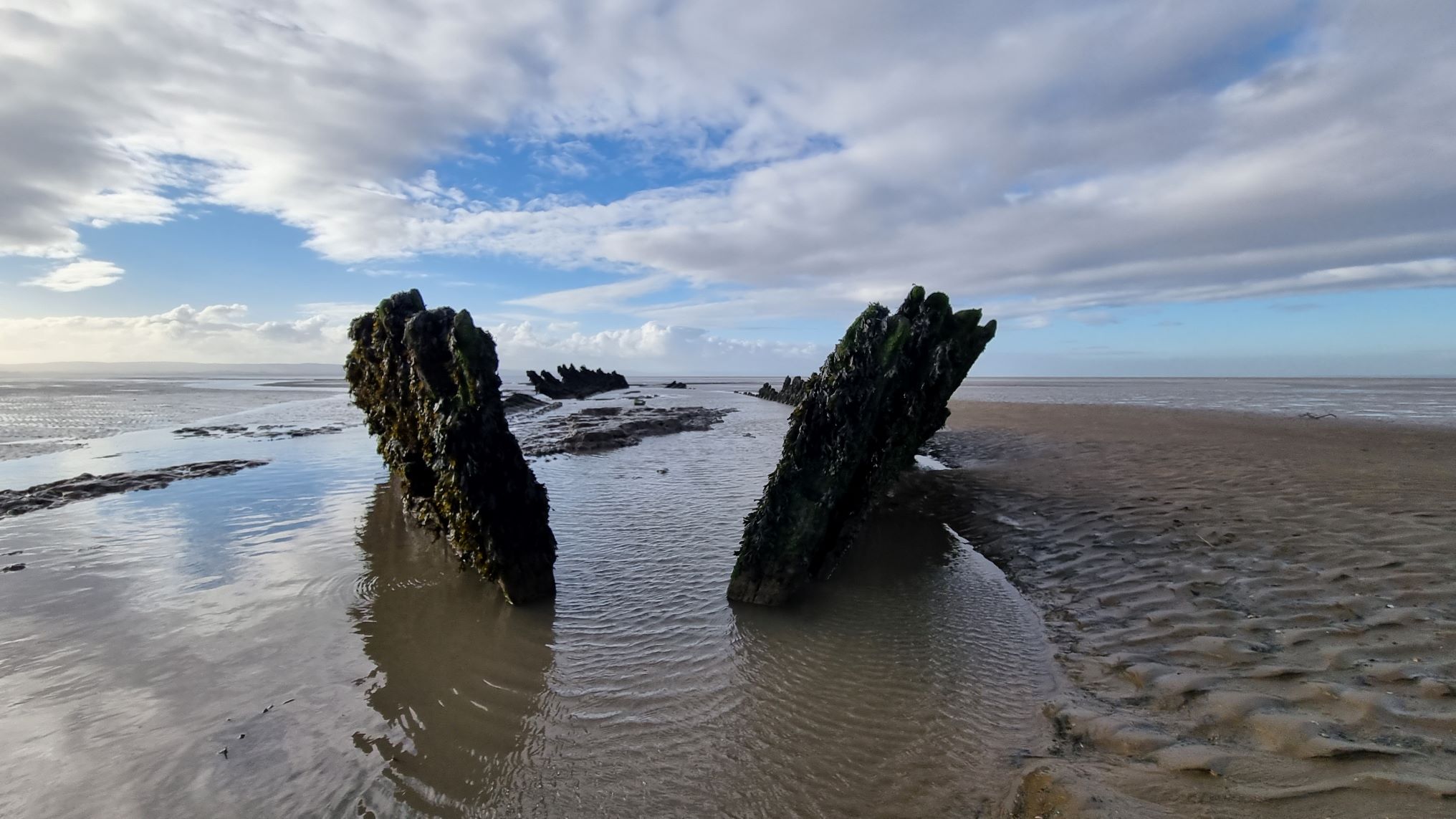
Just south of Berrow Nature Reserve is the wreck of the Nornen, a wooden barque from Norway which grounded in a storm in 1897, and proved impossible to salvage. Two stark rows of broken timbers are all that remains and become visible at low tide.
There are footpaths from the coast road to the beach along the length of this section of trail, and beach access roads in Brean and Berrow, where sections of the beach are available for beach parking. The beach is dog-friendly all year round, making it ideal for dog walks too.